

CIPP Lining Cost in San Pedro: The 2026 Trenchless Pipe Repair Pricing Guide

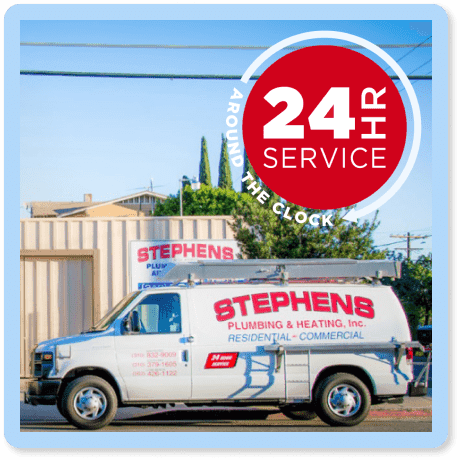
Stephens Plumbing
October 4, 2026

Cured-in-place pipe (CIPP) lining costs $150 to $250 per linear foot in the South Bay and Orange County. Most homeowners pay $5,000 to $15,000 for a full residential sewer lateral. The final number depends on how long the pipe is, how wide it is, and how hard it is to reach.
National cost guides quote a wider range that starts near $80 per foot. Labor, permits, and access costs in Los Angeles County sit well above the national average, so local pricing lands higher. The per-foot price of CIPP lining is also often higher than the bare excavation line on a dig-and-replace bid. That line is only part of the story. It does not include putting your driveway, patio, or landscaping back.
At Stephens Plumbing, Heating & Air Conditioning, we know clear pricing matters most when your sewer line is failing. Sewer work is often quoted only after a site visit, which leaves you planning a major repair with no number to work from. We take a different approach. This guide breaks down cured-in-place pipe pricing and shows exactly how we build an upfront quote for homeowners in San Pedro and across the South Bay and Orange County.
Average Trenchless Pipe Lining Cost per Foot
The total cost of CIPP pipe lining comes down to two things: how wide the pipe is and how many feet need a liner.
Getting the truck, the crew, and the curing equipment on site costs the same whether we line 20 feet or 80. On a short job, that fixed cost is spread over fewer feet, so the price per foot goes up. Longer runs usually cost less per foot.
The table below shows a realistic trenchless pipe lining cost framework for homes and small commercial buildings in our area.
Pipe Diameter
Average Length
Estimated Price Range
3-inch (interior line)
20 to 40 feet
$4,000 to $8,000
4-inch (main sewer)
50 to 75 feet
$8,000 to $16,000
4-inch (main sewer)
100+ feet
$15,000 to $25,000
6-inch (light commercial)
50 to 75 feet
$9,500 to $18,000
These ranges reflect what Stephens has quoted for comparable projects across the South Bay and Orange County. Your number comes from a camera inspection of your actual line, not from this table. Each range covers the felt or fiberglass liner, the epoxy resin, the installation equipment, and the labor to cure the pipe in place.
What Factors Affect Trenchless Lining Pricing?
Several things move the final price beyond the length of the pipe. Understanding them explains why two houses on the same street can get different quotes for the same service.
Pipe Diameter and Material Volume
The width of the pipe sets how much resin and liner material the job needs. A 6-inch pipe has far more surface area than a 4-inch pipe, so it takes more epoxy to form a strong, lasting bond. More material means a higher material cost.
Access Point Conditions
CIPP lining is called trenchless because it works through access points you already have, such as an outdoor cleanout. If your property has no working cleanout, or the opening is too small for the inversion tank (the equipment that pushes the liner into the pipe), we may need a small spot excavation to create one. That work shows up as its own line on the upfront quote.
Number of Branch Connections
Many sewer lines have laterals tied into them, which are the branch lines running from toilets, sinks, and tubs. The new liner covers those openings as it cures. We then send a small robotic cutter into the pipe to reopen, or reinstate, each connection so water flows through again. Every connection that needs reinstatement adds time and specialized equipment to the job.
Condition of the Existing Pipe
The old pipe has to be cleaned before the liner goes in. We use hydro-jetting or mechanical descaling, which scrapes hardened buildup off the pipe walls. If the line is calcified, meaning coated in hard mineral scale, or packed with tree roots, that prep takes longer. Where a section has collapsed outright, we may repair that piece first and then line the rest.
Permits and City Inspections
Most cities across our service area require a permit and an inspection for sewer work, and trenchless jobs are no exception. Fees and review times vary from one city to the next, so the same repair can carry a different permit cost in San Pedro than in Rancho Palos Verdes or Huntington Beach. We pull the permit ourselves and build the fee into your quote, so it never arrives later as a separate bill.
Is CIPP Cheaper Than Digging Up My Yard?
CIPP lining is usually the cheaper choice once you run a full excavation cost comparison. The plumbing portion of a dig-and-replace job can look lower on paper. The cost of putting your property back together is what changes the answer.
Traditional sewer repair means trenching from the house to the street, straight through whatever sits in the way. On a typical South Bay lot, that often includes:
- Landscaping: mature trees, shrubs, and sod
- Hardscaping: concrete walkways and paver patios
- Driveways: asphalt or reinforced concrete
- Interior flooring: if the line runs under the slab, the trench goes through your foundation and floor tile
Restoration is priced separately and it adds up fast. Concrete driveway work runs roughly $8 to $20 per square foot, so a trench cut across a two-car driveway commonly means $3,000 to $8,000 in concrete alone. Landscaping restoration runs about $4 to $12 per square foot, and taking out a mature tree in the trench path adds $400 to $1,200 more. Many older San Pedro and South Bay homes sit on lots with decades-old landscaping and full concrete driveways, which is exactly where those numbers climb.
Last spring, a homeowner near Point Fermin called us after a recurring backup and a quote to trench her front yard and driveway. Sebastian ran a camera down the line first. The clay pipe was cracked at two joints, but it still held its shape, which meant it could be lined. We cleaned the line, cured a new liner in place, and reinstated her branch connections. Her driveway never got touched.
The Difference Between an Estimate and an Upfront Quote
An estimate is a starting figure. An upfront quote is the number you will actually pay.
At Stephens, the second one is what we hand you, because a price that moves after the work starts is not really a price. Our process is built to keep it fixed:
- The video inspection: we run a high-definition camera through your line to see its exact condition.
- The full assessment: we count the branch connections, measure the footage, and check for root intrusion.
- The upfront quote: we give you one all-inclusive price covering cleaning, lining, permits, and reinstatement.
Every free estimate we write is based on real data from your own sewer line, not an average. That is what lets us hold the price you see on the agreement through to the end of the job. If you manage a property or storefront, our commercial sewer and drain repair team works the same way.
Frequently Asked Questions
How long does CIPP lining last?
Most CIPP liners are built for a 50-year service life. The epoxy resin resists both chemical corrosion and root intrusion, the two leading causes of sewer line failure. Because the liner cures as one seamless piece, it removes the joints where old pipes usually fail first.
Does CIPP lining reduce the capacity of my pipes?
The loss in width is small, usually about 1/8 to 1/4 of an inch. Flow generally holds steady or improves, because the new epoxy surface is far smoother than aged cast iron or clay. Less friction means waste moves through the line more easily.
Can all pipes be lined with CIPP?
Most pipes can be lined, as long as the original pipe still holds a round shape. If a line has flattened, or the sections have shifted out of line with each other, lining may not work. In those cases, we may recommend pipe bursting instead, a trenchless method that pulls a new pipe through the path of the old one and breaks the old pipe apart as it goes. A camera inspection is what settles the question. If you are dealing with recurring drain clogs, that inspection is the right first step.
Key Takeaways
- The average CIPP lining cost runs $150 to $250 per foot, which makes it a cost-effective alternative to digging once restoration costs are counted.
- Residential sewer lining cost per foot runs $150 to $250 in our service area, and most whole-line projects land between $5,000 and $15,000. Pipe diameter, branch connections, cleaning, and city permits are the main drivers of cured-in-place pipe pricing.
- An excavation cost comparison usually favors CIPP lining, because it saves thousands in driveway, hardscape, and landscaping restoration.
- Stephens provides an upfront quote based on a video inspection of your property, so the agreed price is the final price.
- CIPP lining offers a 50-year service life and steady or improved flow, as long as the existing pipe can still hold the liner's shape.
Request Your Upfront Quote Today
Choosing how to repair your sewer line is a big decision, and you deserve a real number before you make it. If you want a permanent fix that protects your driveway and landscaping, trenchless pipe lining in San Pedro is the standard we recommend.
Stephens Plumbing, Heating & Air Conditioning is fully licensed and insured under California contractor License #508377, and we are here 24/7, 365 days a year when a sewer line fails. If the timing of a repair like this is the hard part, we offer 0% financing on qualifying projects, so a failing sewer line does not have to wait for the right month.
Contact Stephens today to schedule a video inspection and receive a free estimate for your property. Every customer gets a clear, upfront quote, so you can make an informed decision about your home.
Book Service | Call Now for 24/7 Emergency Service
Join Our Team
Interested in becoming a part of the Stephens family? Submit your application now for one of our plumbing or HVAC jobs!