

How Trenchless Sewer Repair Minimizes Property Disruption

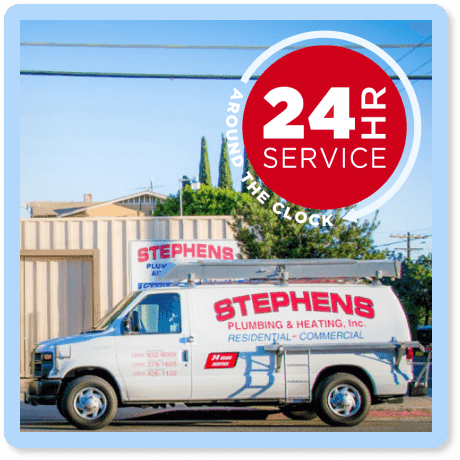
Stephens Plumbing
November 5, 2026

Trenchless sewer repair fixes a damaged sewer line with little or no digging, so your lawn, driveway, and landscaping stay in place. At Stephens Plumbing, Heating & Air Conditioning, we have served South Bay and Long Beach homeowners since 1986. We know how stressful a failed sewer line feels. Cured-in-place pipe (CIPP) lining, one of the trenchless methods we use, usually needs only one or two small access points instead of a full-length trench.
Key Takeaways
- Trenchless sewer repair fixes a damaged sewer line with little or no digging. Cured-in-place pipe (CIPP) lining, one trenchless method, rebuilds the pipe from the inside through one or two small access points.
- Recurring backups, gurgling drains, sewer odors, and soggy yard patches are common signs of sewer line failure.
- A video camera inspection confirms whether a sewer line is a good candidate for trenchless pipe repair before any work begins.
- During a lining job, plan for a short pause on water use while the liner cures.
- Stephens Plumbing, Heating & Air Conditioning (License #508377) provides a free estimate and a full-price, upfront quote before any sewer repair starts.
What Is Trenchless Sewer Repair, and How Is It Different From Dig-and-Replace?
Trenchless sewer repair fixes or replaces a damaged sewer line without digging a trench along the length of the pipe. With cured-in-place pipe (CIPP) lining, a technician inserts a flexible, resin-coated liner into the existing pipe and inflates it against the old pipe walls. The resin then cures (hardens) into a seamless new pipe inside the old one.
Traditional sewer replacement digs up the entire run of pipe, swaps in new pipe, and fills the trench back in. That can mean heavy equipment, broken concrete, and landscape restoration. Trenchless pipe repair gives you the same sound sewer line and leaves the ground above it largely untouched.
Which Sewer Lines Are Good Candidates for Lining?
Lining works on sewer lines that are still intact enough to guide the liner. A collapsed section, or a sag (a low spot) that holds standing water, usually needs a spot repair before lining or a different approach altogether.
A camera inspection shows where your line stands before any work begins. When lining isn't the right fit, we can replace the line with a trenchless method that tunnels beneath your yard, or recommend a traditional repair.
What Signs of Sewer Line Failure Lead Homeowners to Consider Trenchless Repair?
Recurring backups, slow drains, sewage odors, and soggy patches of yard are the most common signs of a failing sewer line. Tree roots and aging cast iron or clay pipes cause many of these failures in older Southern California homes.
Our guides to the signs of sewer line failure and sewer odors in the house cover each symptom. A drain camera inspection confirms the cause before any sewer line repair begins.
How Trenchless Sewer Repair Minimizes Disruption to Your Property
Trenchless sewer repair minimizes disruption because the work happens below ground, through small access points, instead of in an open trench across your property:
- Your yard stays intact. Lawns, trees, patios, and driveways stay where they are, so there is little or nothing to restore afterward.
- Faster completion. Many residential trenchless repairs finish in about a day, while excavation can stretch across several days.
- Less mess. Small access points replace piles of dirt and keep heavy equipment away from your home.
- A clean work area. Our technicians wear boot covers inside your home and clean every work area before they leave.
A lining job still asks a few things of you on repair day:
- A short pause on water use. While the liner cures, the sewer line is closed. Hold off on showers, laundry, and the dishwasher until our technician reopens the line.
- A small dig, if any. Lining usually starts at the sewer cleanout, a capped pipe opening near your home. If the line needs a second access point, the dig stays small and is filled back in when the job is done.
- A temporary smell. Some liners give off a plastic smell while they cure. The smell fades soon after the work ends.
What to Expect on Repair Day With Stephens
A Stephens CIPP lining repair follows five steps: camera inspection, upfront quote, pipe cleaning, liner installation, and final camera check.
- Camera inspection. A licensed Stephens technician runs a camera through the line to locate cracks, roots, and joints that have shifted out of line, then shows you the footage.
- Upfront quote. We provide a free estimate and a full-price, upfront quote before any work begins.
- Pipe cleaning. Hydro-jetting clears roots, grease, and scale so the liner bonds to a clean surface.
- Liner installation. The resin-coated liner goes in through an access point and cures into a new pipe wall.
- Final camera check. A second inspection confirms the new line is smooth and sealed.
Schedule Trenchless Sewer Repair in the South Bay and Long Beach
With trenchless repair, your sewer line is restored while your lawn and driveway stay in place. Our family-owned team recommends repair over replacement whenever the pipe allows it.
Call Stephens to schedule trenchless sewer repair. Every job starts with a free estimate and a full-price, upfront quote. You can also learn more about our sewer line repair services. Sewer backups don't wait for business hours, so our 24/7 Emergency Services team is ready at (310) 832-9009.
Join Our Team
Interested in becoming a part of the Stephens family? Submit your application now for one of our plumbing or HVAC jobs!