What Is Water Backflow and Why Is It Dangerous?

Stephens Plumbing
October 22, 2025

We rely on clean water every day, from the moment we turn on a tap for a refreshing drink to a warm shower to keeping our businesses running smoothly. But when that water flows the wrong way, known as backflow, it can put everyone’s health and safety at risk.
Here’s everything you need to know about water backflow, including why it’s dangerous, how to prevent it, and why calling a licensed professional is often the smartest move.
What Is Water Backflow?
Put simply, water backflow happens when water flows backward through your plumbing system–against its intended direction. Normally, clean, fresh water is supplied to your property under pressure. But when that pressure drops, like when there’s a water main break, it can inadvertently draw contaminated water back into the clean water supply.
There are two main types of backflow:
Backpressure, when the pressure in your property’s pipes is greater than that in the main supply line.
Back-siphonage, when there’s reduced pressure in the supply line, “sucking” unsecured water from things like fixtures or hoses back into your system.
Why Is Water Backflow Dangerous?
Backflow isn’t just a plumbing headache–it’s a serious health and safety hazard.
Contaminants
If backflow pulls dirty water (like from a garden hose left submerged in a puddle of water) into your drinking water, dangerous bacteria, chemicals, or pesticides can enter your system. That water then makes its way into sinks, showers, and even your glass, putting your family’s health at risk.
Illness
Exposure to contaminated water can lead to a range of health issues, from mild stomach discomfort to severe waterborne illnesses. For families, that means unexpected trips to the doctor; for businesses, it could mean exposing customers or employees to unsafe conditions.
Liability
In restaurants, healthcare facilities, and other commercial settings, contaminated water can lead to fines, shutdowns, and major liability concerns.
Beyond health code violations, businesses risk losing the trust of customers and clients, as well as costly damage to their reputation. What might start as a small backflow issue could quickly escalate into significant financial and legal consequences if left unchecked.
How to Prevent Water Backflow
- Install water line backflow preventors, like reduced pressure zone valves.
- Routinely inspect and conduct maintenance to ensure backflow prevention devices remain effective.
- Use air gaps–a physical separation between the faucet and the place receiving the water, such as a sink or dishwasher.
When to Call a Professional
Installing Backflow Preventers
Thinking of adding water faucet backflow preventers? Experts, like the professionals here at Stephens, will match the right device to your system’s needs, whether residential or commercial, and correctly install it.
Emergency Response
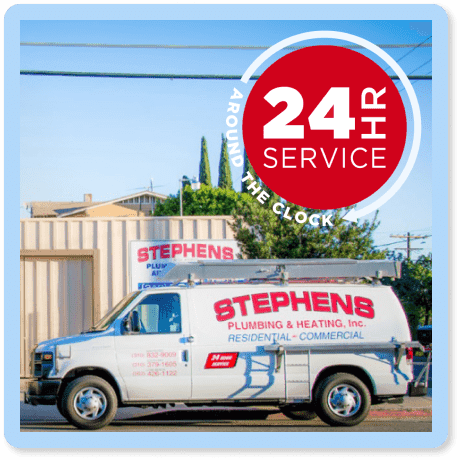
Pressure changes or system failures can occur at any time. The Stephens team is available 24/7 for emergency repairs, protecting your water supply around the clock.
Annual or Water Backflow Testing
Because systems are complex and commercial properties come with local regulations, it’s best to leave any testing needs to the pros.
Repairs or Replacement Parts
If your backflow device fails or shows signs of wear, it needs prompt professional attention to keep your water supply safe.
Keep Water Flowing As It Should
Stephens Plumbing, Heating & Air Conditioning has been helping San Diego residents and business owners safeguard their water supply since 1986. With our satisfaction guarantee, skilled technicians, and 24/7 emergency services, you can count on us to provide the honest, reliable solutions you need. Connect with us for a quick inspection or to stop a backflow issue in its tracks!
Join Our Team
Interested in becoming a part of the Stephens family? Submit your application now for one of our plumbing or HVAC jobs!