

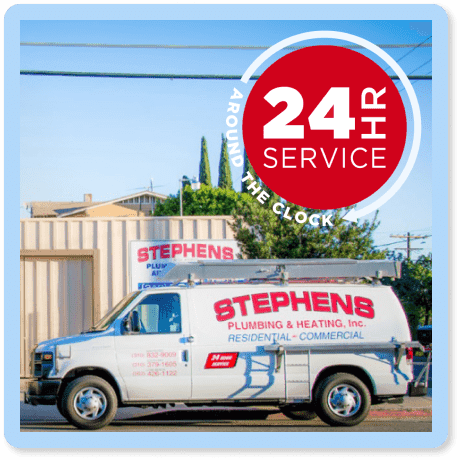


Repiping Services: Restoring Integrity to Orange County & South Bay Homes
Since 1986, Stephens Plumbing has served as the backbone of home infrastructure for residents across Orange County and the South Bay. We understand that a whole-home repipe is likely one of the most significant investments you will make in your property. It is not a purchase made lightly, nor is it a service that should be sold through fear tactics.
At Stephens Plumbing, we operate on a philosophy of "Ethical Repiping." As a family-owned business spanning three generations, our reputation is built on honesty: we only recommend a full repipe when it is mathematically and structurally necessary. Whether you own a mid-century modern home in the South Bay or a tract home in Orange County, we serve clients of all income levels with transparent pricing and uncompromising quality.
Repiping is the process of bypassing existing, failing water lines—typically located in the concrete slab or under the floor—and installing a new, durable potable water system through the walls and attic.
If you are facing recurring leaks, low water pressure, or rusty water, your home’s plumbing system may have reached the end of its lifecycle. We are here to restore your home’s integrity and your peace of mind.
Critical Signs Your Property Requires Whole-Home Repiping
Determining when to stop repairing and start repiping is a financial and structural decision. While a single leak can often be spot-repaired, systemic failure requires a comprehensive solution.
The 3-Strike Rule
For homeowners debating between repair and replacement, we advocate for the "3-Strike Rule."
- Strike 1: The first slab leak is a warning. A spot repair is usually the most cost-effective solution.
- Strike 2: A second leak indicates the system is degrading. The copper or galvanized pipes are likely thinning throughout the home.
- Strike 3: By the third leak, the cost of leak detection, jackhammering concrete, and restoration often exceeds the monthly financing cost of a total repipe.
Key Insight: Once a home experiences three slab leaks, the statistical probability of a fourth leak occurring within 12 months rises exponentially. At this stage, repiping is the only fiscally responsible option.
Visual and Functional Indicators
Beyond slab leaks, your plumbing system provides physical evidence of failure. If you observe the following symptoms, schedule an assessment immediately:
- Visible Corrosion: White, crusty buildup on shut-off valves or exposed pipes.
- Discolored Water: Brown or rust-colored water when a faucet is first turned on (indicative of rusting Galvanized Steel).
- Pressure Drops: Significant loss of water pressure when a toilet is flushed or a washing machine is running.
- Obsolete Materials: The presence of Polybutylene (grey plastic pipe used in the 70s-90s) or Galvanized Steel, both of which are uninsurable by many modern carriers.
Material Selection: Copper vs. PEX Piping
Choosing the right material for repiping Orange County homes is critical. The local water supply contains chloramines (a combination of chlorine and ammonia), which are used for sanitation but can be aggressive toward certain plumbing materials over decades.
At Stephens Plumbing, we install both Type L Copper and PEX (Cross-linked Polyethylene), helping you choose based on your budget, home architecture, and water quality.
Feature
Type L Copper (Hard)
PEX (Cross-linked Polyethylene)
Primary Benefit
Proven longevity and bacterial resistance.
Flexibility and thermal efficiency.
Cost
Higher (Material and labor intensive).
Lower (Faster installation, cheaper material).
Corrosion Resistance
High, though susceptible to pinholes from aggressive chloramines over 20+ years.
Immune to corrosion and pitting.
Freeze Resistance
Low (Can burst if frozen).
High (Expands to accommodate freezing water).
Heat Loss
High (Conductive metal loses heat quickly).
Low (Acts as an insulator for hot water lines).
Warranty
Typically 50-year material warranty.
Typically 25-year manufacturer warranty.
Best For
Homeowners seeking traditional, rigid durability and resale value.
Retrofits where flexibility is needed to fish pipes through walls.
Insight: In Southern California, municipal water districts heavily utilize chloramines. While Type L Copper is the gold standard for durability, PEX A and PEX B have gained massive popularity because they are chemically inert to chloramines, effectively eliminating the risk of pinhole leaks caused by water chemistry.
The Repiping Process: Minimizing Disruption to Your Life
A common misconception about repiping Orange County homes is that the process requires tearing down the entire house. This is false. Stephens Plumbing utilizes a surgical approach designed to keep your home livable during the project.
We follow a strict three-phase process to ensure efficiency and cleanliness:
Phase 1: Site Protection & Preparation
Before a single tool is lifted, we protect your home. We lay down heavy-duty floor coverings and mask off furniture with plastic sheeting. Our goal is to treat your home with the same respect we treat our own. We identify the location of all fixtures and map the least invasive route for the new piping.
Phase 2: The Bypass (Installation)
We do not jackhammer your floors. Instead, we abandon the old, leaking pipes underground. We route new PEX or Copper lines through the attic, drop ceilings, and inside wall cavities.
- Small surgical cuts are made in the drywall to access fixture connections.
- New shut-off valves, supply lines, and washing machine boxes are installed.
- Water Availability: In most cases, you will only be without water during the working hours of the day. We aim to restore water service every evening so you can shower and use the facilities.
Phase 3: Drywall Restoration
Unlike many plumbers who leave you with holes in the wall, Stephens Plumbing offers complete wall restoration. Our patching teams replace the drywall, tape, texture, and prepare the surface for paint. When we leave, the only evidence of our presence is perfect water pressure and clean water.
Why Choose Stephens Plumbing for Repiping in Orange County?
In an industry flooded with aggressive sales tactics and sub-contracted labor, Stephens Plumbing stands apart. When you search for "stephens plumbing repiping" or "repiping stephens plumbing," you are looking for a legacy of trust.
Legacy and Ethics
We are not a franchise. We are a family-owned business established in 1986. For three generations, we have served the South Bay and Orange County communities.
Our "Ethical Repipe" promise means:
- No Predatory Financing: We do not push high-interest loans or unnecessary upsells.
- Employee Technicians: We use our own trained staff, not random subcontractors.
- Local Expertise: We know the specific building codes of cities from Torrance to Irvine, and we understand the unique water chemistry of the region.
Frequently Asked Questions About Repiping
How long does a whole-home repipe take?
Typically 1 to 3 days. A standard single-family home (2 bathrooms) usually takes 1-2 days for the rough-in plumbing and an additional day for inspection and drywall patching. Larger homes or complex layouts may require more time.
Will I have to move out during the repiping process?
No. Your home remains habitable. We cover work areas during the day and clean up daily. Water is typically turned off in the morning and restored by the end of the workday, allowing you to stay in your home comfortably.
Does repiping increase my home's value?
Yes, significantly. New plumbing is a major selling point. It assures buyers that they won't face slab leaks or water damage. Furthermore, removing Galvanized Steel or Polybutylene pipes removes a major barrier to closing a sale, as many insurers refuse to cover homes with these obsolete materials.
H3: What is the difference between a Slab Leak Repair and a Repipe?
A repair fixes one spot; a repipe fixes the system. A slab leak repair involves jackhammering the floor to fix a single pinhole. A repipe bypasses the entire underground system, eliminating the risk of future slab leaks entirely.
Plumbing Services
- Emergency Plumbing
- Bathroom Plumbing
- Kitchen Plumbing
- Outdoor Plumbing
- Drain & Pipes
- Sewer
- Sump Pump
- Water Backflow
- Water Heater
- Water Damage
Schedule an Appointment
Need regular service, repair or maintenance? Send us a message to schedule an appointment.


1000 Reviews


50 Reviews


450 reviews

105 Reviews
Our Friendly Team is Standing By
Reach out if you have questions or schedule an appointment if you’re ready for our help.